10 years of AlphaGo: The turning point for AI | Thore Graepel & Pushmeet Kohli
March 11, 2026
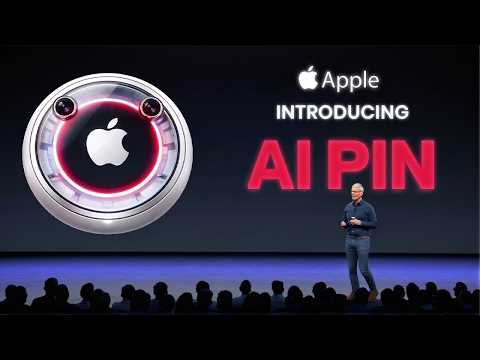
Apple AI Pin Explained: Why It Could Succeed Where Humane Failed (2027)
March 11, 2026
Link to our newsletter: https://bitbiased.ai/
The U.S.–Iran war is escalating — but the biggest threat may not be what most people are talking about.
In this video, we break down the latest developments in the U.S.–Iran conflict, including military escalation, the crisis in the Strait of Hormuz, rising oil prices, and the global economic shockwaves spreading across markets.
The Strait of Hormuz carries roughly 20% of the world’s oil supply, and disruptions there have already triggered major energy volatility and fears of a global economic slowdown.
Oil prices surged after the conflict began, at one point approaching $120 per barrel, highlighting the massive economic stakes of the crisis.
But beyond the obvious geopolitical and energy consequences, there is a hidden systemic risk emerging — one that could reshape global markets, technology investment, and the financial system in ways few analysts are discussing.
In this video we cover:
• The latest updates in the U.S.–Iran war
• Why the Strait of Hormuz crisis is so dangerous
• How oil and energy markets are reacting
• The global economic ripple effects
• The hidden systemic risk that most coverage is ignoring
• Three possible scenarios for how this conflict unfolds
This is not a political take — it’s a systems-level analysis of how geopolitics impacts global markets and technology.
If you want deeper breakdowns of geopolitics, technology, and the forces shaping the future, subscribe to BitBiased AI.