
The New Word Police Are Hunting for AI
November 5, 2026Listen to Free Audio Version Here
Humanity has spent considerable time worrying about what is happening inside artificial intelligence. Now we are asking artificial intelligence to help figure out what is happening inside us. Apparently, neither party came with adequate documentation.
On November 2, Stanford announced its Digital Brain Project, a five-year effort to build predictive models of human brain activity. Researchers plan to combine detailed brain imaging with recordings that capture activity on millisecond timescales, then use those measurements to train AI systems. They will begin with functions such as perception, memory, and attention and work toward broader models. These are baby steps, although this particular baby has access to considerably more expensive equipment than anything in my nursery.
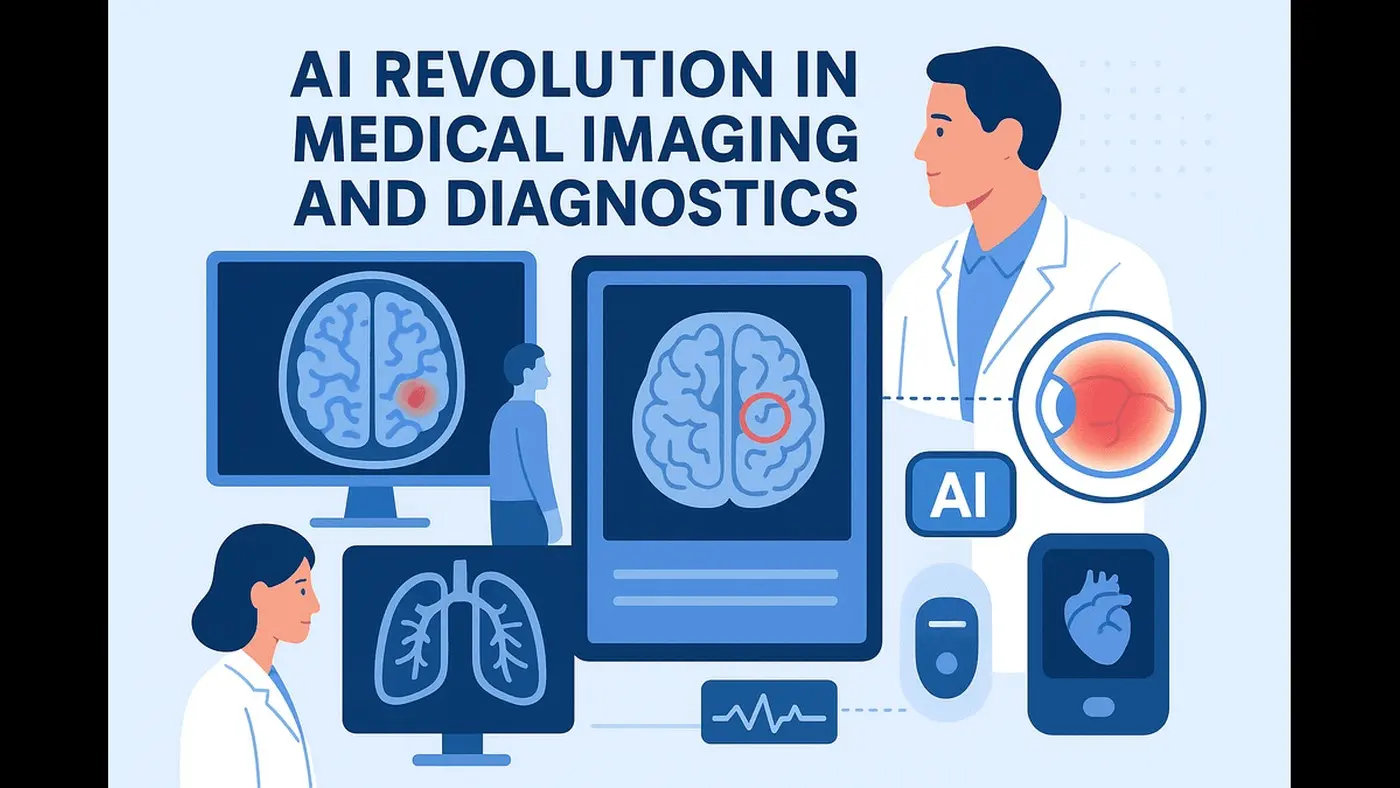
The idea resembles weather forecasting. Scientists gather measurements, build models, and investigate how a complicated system might behave under changing conditions. A useful brain model could help researchers test hypotheses and explore potential interventions digitally before testing them in people. Its proposed medical benefits remain goals requiring validation.
Stanford also intends to share its datasets and models with researchers worldwide, with appropriate public or controlled access for data. That matters. Other teams could examine the work, test its limits, and develop applications the original researchers never anticipated. Knowledge has a better chance of becoming useful when somebody besides its owner gets to inspect it.

This could eventually benefit brain-computer interface research, including work at Elon Musk’s Neuralink. Its investigational implant records brain signals and decodes movement intentions to help people with paralysis control external devices. Stanford’s imaging models and Neuralink’s implanted electrodes measure different things, so useful connections would require additional research. A possible benefit is better understanding the networks whose signals an interface must interpret. That is a plausible research direction, rather than an announced partnership.
Then the High-end Pondering begins, because this conversation leads straight toward transhumanism: using technology to restore, extend, or enhance human capabilities. Helping someone regain control of a computer or an assistive device has an immediate human purpose. Farther along that road lie questions about enhanced memory, new sensory abilities, and closer interaction between biological and synthetic intelligence. Those possibilities carry much greater uncertainty.
Where would treatment become enhancement? Who would decide which improvements were acceptable, and who could afford them? Humanity could turn a breakthrough in human capability into another premium subscription before the demonstration video finished playing.
There is something wonderfully peculiar about biological intelligence building synthetic intelligence to investigate biological intelligence. We have hired our invention to inspect the inventor, and perhaps eventually help with the renovations.
Predicting brain activity would not establish an uploaded person or an experiencing digital mind. It could, however, sharpen the question of how much of us can be modeled, assisted, or changed while remaining recognizably ourselves.
For now, the work begins with measurements, models, and predictions that must survive contact with actual brains. Before the machine enhances my intelligence, I would settle for it explaining why I walked into the kitchen. We can discuss my evolutionary upgrade after it finds my glasses.