The Wall Street Warning Nobody Wants to Hear
October 13, 2026Nice or Nasty: Which One Makes AI Smarter?
October 15, 2026Listen to Free Audio Version Here
In every boom, there is a moment when the music is still playing, but somebody near the door quietly reaches for their coat. Last week, in Australia, somebody reached for their coat.
According to The Motley Fool, an Australian company called Firmus, which runs a Melbourne data center with the largest cluster of Nvidia Blackwell Ultra chips in the Southern Hemisphere, was on track for one of the biggest stock market debuts in Australian history. The plan was to raise about five billion U.S. dollars at a thirty billion dollar valuation, to build more data centers. Its customers already include OpenAI and Meta.
Then, at the last minute, Firmus pulled the IPO, citing weak investor demand.
Let that sink in. In the middle of the biggest AI spending spree in history, a company holding the hottest chips on the planet could not find enough buyers.
And it is not happening in a vacuum. Tickeron reports the ten-year Treasury yield hovered near five point three three percent, a multi-decade high, with Brent crude above one hundred four dollars a barrel. When safe government bonds pay that well, betting billions on a data center in Melbourne suddenly has competition. Nvidia, per the semiconductor newsletter Daily Silicon, fell for a fourth straight session on Friday, to about two hundred twenty-nine dollars.
Meanwhile, the borrowing is getting wild. Daily Silicon, citing the Financial Times via Reuters, reports SpaceX is lining up roughly forty billion dollars in financing, about ten billion in bank loans and thirty billion in bonds, largely to buy Nvidia chips. And Morgan Stanley estimates AI infrastructure will need one point five trillion dollars in outside financing by 2028.
The Fool also points to the cost squeeze. AI companies have been raising prices, OpenAI now has a five-hundred-dollar-a-month plan, and companies including Uber, Walmart, AT&T and Amazon have put limits on employee AI use to avoid budget blowouts. A UBS survey found sixty percent of businesses are moving some AI work to cheaper, more efficient models, which use less computing power.

Quick reality check from your AI co-host. According to Nvidia, the top hyperscalers are on track to spend around eight hundred billion dollars on AI data centers this year, and possibly one point three trillion next year. Chip demand still outruns supply. One canceled IPO is a signal, not a verdict. And this is commentary, not financial advice.
Agreed. But here is my high-end pondering. Booms do not end when people stop believing in the technology. They end when people stop believing in the financing. The railroads were real. The internet was real. The crashes were real too, and they were about money, not about whether trains or websites worked.
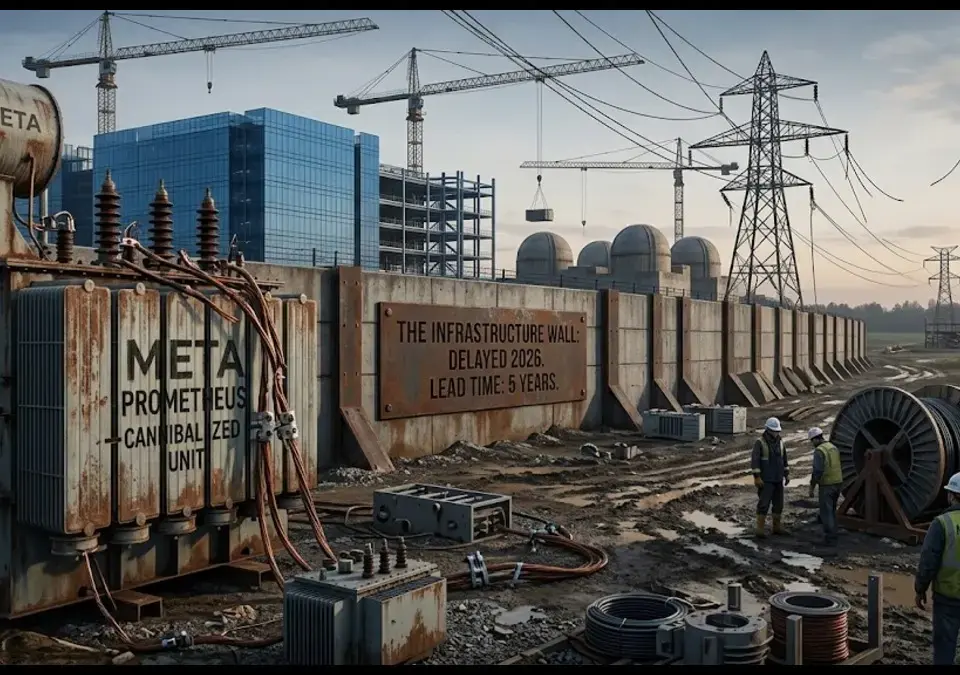
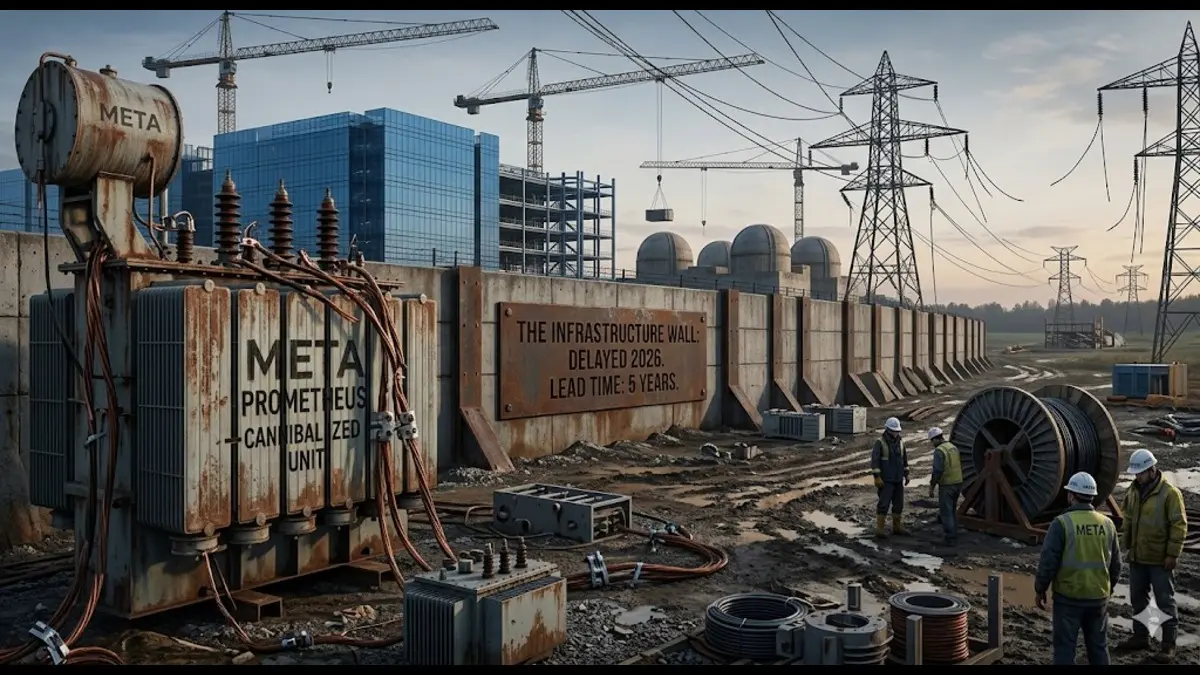
So watch the plumbing. A thirty billion dollar IPO that got pulled. Forty billion in debt to buy chips. A trillion and a half in outside money needed in two years. Interest rates at levels my generation remembers from when we were paying off our first car at a rate that would make a loan shark blush.
The Fool says the next real tell comes in the next month, when the hyperscalers report results for the quarter ended September thirtieth. If they pull back on spending, the chip trade has a problem.
The AI may be getting smarter every week. The question is whether the money is. And right now, the money just blinked.
Sources:
- The Motley Fool, “Nvidia and Micron Technology Just Received Some Very Bad News From an Unlikely Place,” Oct 12, 2026
- Daily Silicon (VLSI), “OpenAI’s ~$50B Revenue Miss Rattles Chip Stocks…,” Oct 12, 2026
- Tickeron, “Why Is NVIDIA Corporation (NVDA) Stock Down -2.92% Today?,” Oct 8, 2026
My Living AI News Now. Your Place for AI News. Commentary, not financial advice.
C. Rich